
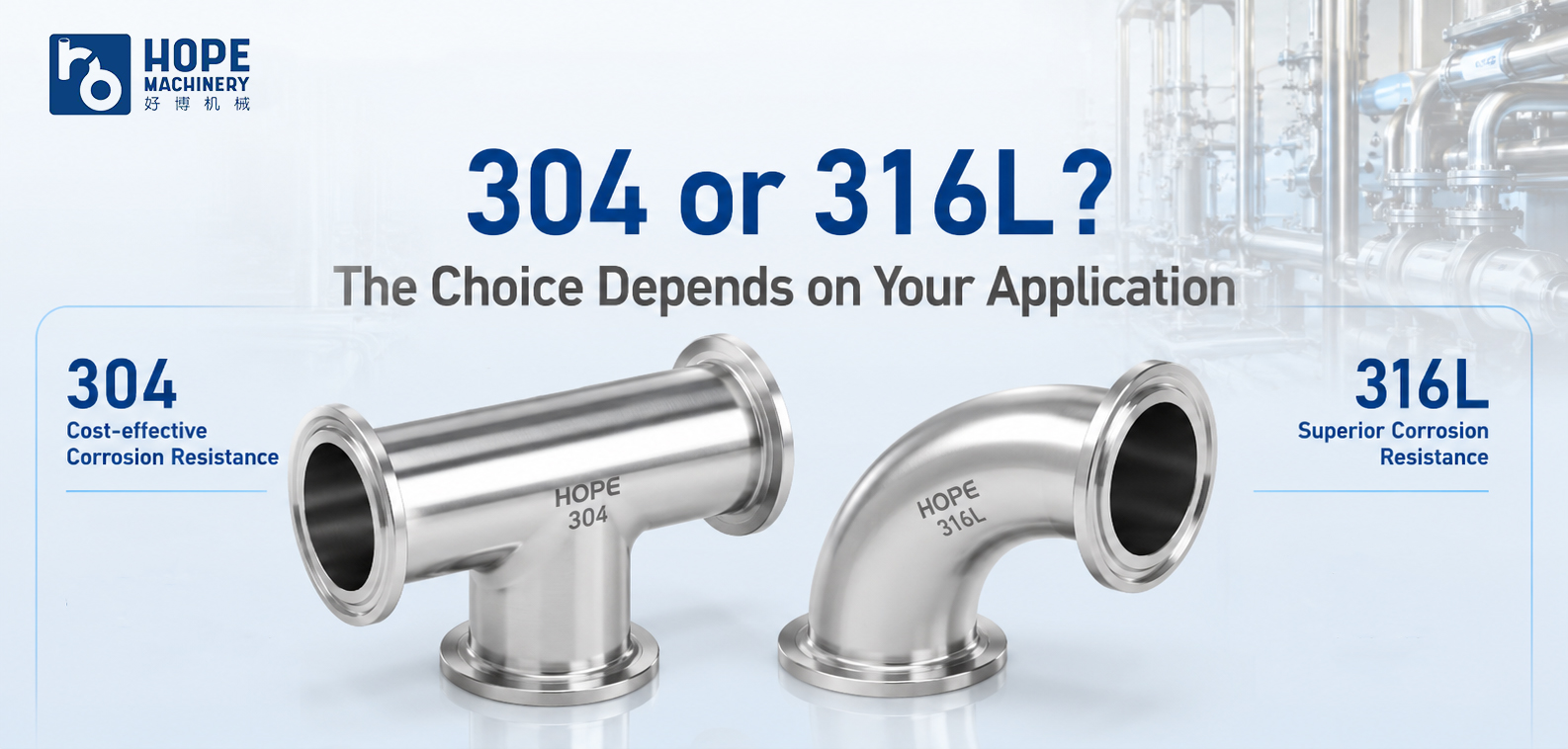
304 or 316L? The Choice Depends on Your Application.
When it comes to stainless steel for hygienic piping systems, one question comes up again and again: 304 or 316L?
Both are widely used stainless steel grades in hygienic and sanitary applications. However, choosing between them should not simply come down to which grade is “better.” The right choice depends on the process, operating environment, cleaning conditions, and required level of corrosion resistance.
304/304L: A Practical Choice for General Applications
304/304L stainless steel provides good general corrosion resistance and is widely used where the process environment is relatively mild.
It is a practical and cost-effective choice for many hygienic applications, particularly where the process fluid and cleaning conditions do not create a highly corrosive environment.
Typical applications include: Food & Beverage · Dairy & Beverage Processing · General Hygienic Fluid Handling
316L: For More Demanding Process Conditions
316L stainless steel contains molybdenum, which contributes to improved resistance to localized corrosion, particularly in chloride-containing environments, compared with 304 stainless steel.
This makes 316L a common choice for more demanding hygienic and high-purity process environments where corrosion resistance and material performance are especially important.
Typical applications include: Pharmaceutical · Biotechnology · Chemical Processing · High-Purity Systems
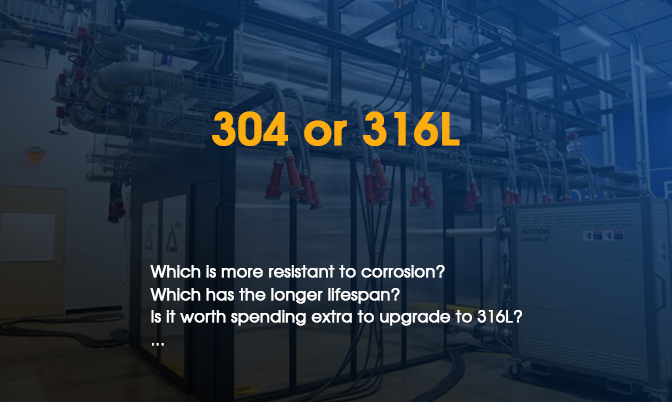
For AI data center cooling applications, HOPE provides 316L / 1.4404 stainless steel with electropolished surfaces up to Ra ≤ 0.25 μm, according to the requirements of the application.
What Should You Consider When Choosing?
There is no single stainless steel grade that is ideal for every application.
Before selecting 304/304L or 316L, consider:
1. Process Fluid
What type of fluid will pass through the piping system? Is it corrosive or chloride-containing?
2. Cleaning Conditions
Will the system be exposed to CIP, cleaning chemicals, elevated temperatures, or frequent cleaning cycles?
3. Corrosion Exposure
Could the material be exposed to chlorides or other aggressive process conditions?
4. Purity Requirements
Does the application require high-purity materials, controlled surface finishes, or electropolished surfaces?
5. Operating Requirements
Temperature, pressure, service life, and overall system requirements should also be considered when selecting the appropriate material.
304 or 316L: Which One Is Right for You?
The answer depends on your process.
304/304L can be a practical choice for many general hygienic applications, while 316L is often selected when higher corrosion resistance and more demanding process requirements need to be considered.
The goal is not simply to choose the more advanced material. The goal is to choose the right material for the application.
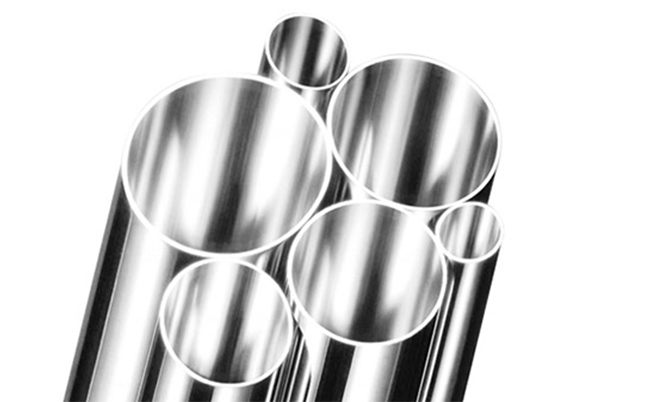
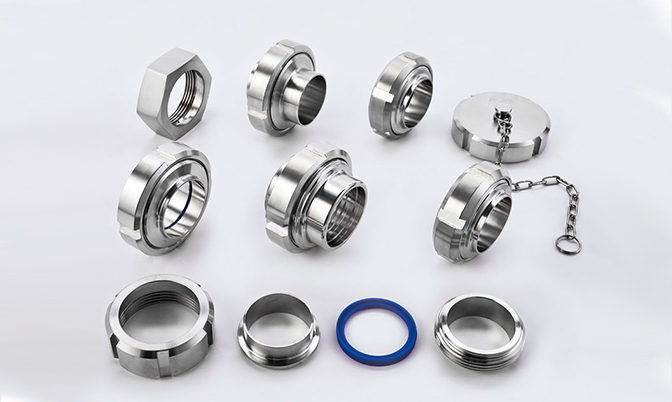
At HOPE Machinery, we provide stainless steel tubing and fittings for hygienic, high-purity, and demanding fluid-processing systems. Our products serve applications including AI data center cooling, food & beverage, pharmaceutical, biotechnology, and chemical industries.
Talk to HOPE Machinery, selecting the right material for your application